


Why Your Double Hung Window Install Matters More Than You Think
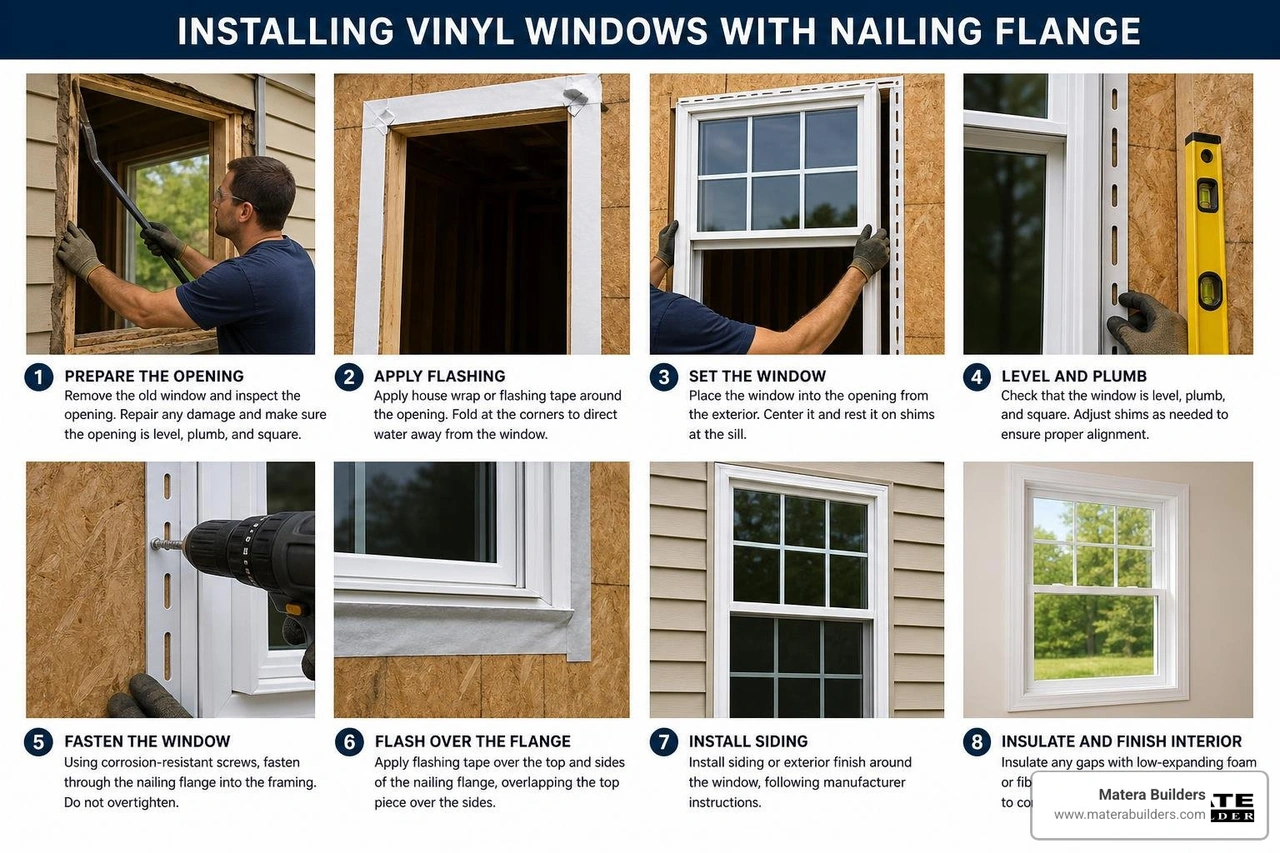
Double hung window install done right means better energy efficiency, less moisture damage, and windows that actually work the way they should. Here's a quick overview of what the process involves:
- Measure the opening - Width and height at multiple points; use the smallest measurement
- Choose your replacement method - Pocket (retrofit) or full frame replacement
- Remove the old window - Take out sashes, stops, and counterbalance components
- Prepare the opening - Check for rot, confirm level, plumb, and square
- Insert and shim the new unit - Dry fit first, then adjust for even gaps
- Seal and insulate - Low-expansion foam inside, exterior-grade caulk outside
- Test and finish - Confirm smooth sash operation, replace trim
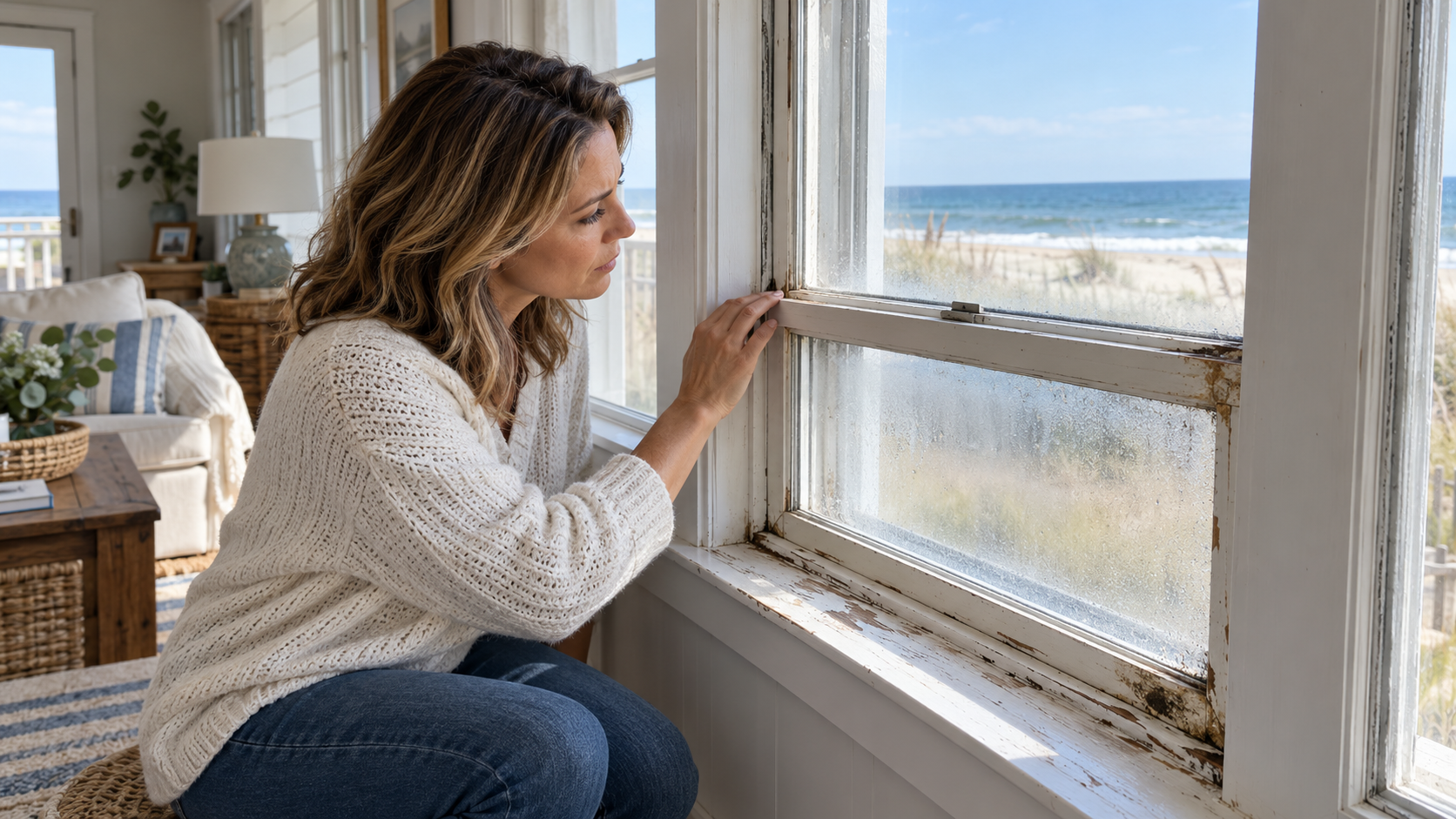
If your windows are leaking, hard to open, or letting in cold air every winter, you're not alone. Homeowners across coastal New Jersey deal with the same frustrating combination of drafty frames, rising heating bills, and salt air that eats through cheap materials faster than you'd expect. Water stains on your sill, condensation between panes, rattling sashes in the wind - these aren't just annoyances. They're signs that your windows are no longer doing their job.
Double hung windows are one of the most popular window styles for a reason. Two independently operable sashes mean you can ventilate from the top, the bottom, or both at once. They sit flush with your wall, they tilt inward for easy cleaning, and when installed correctly, they seal tight against the elements. The key phrase there is installed correctly.
A window is only as good as its installation. Even a high-performance unit like an Andersen window with Fibrex composite framing will underperform if it's shimmed wrong, sealed poorly, or measured off by even a quarter inch.
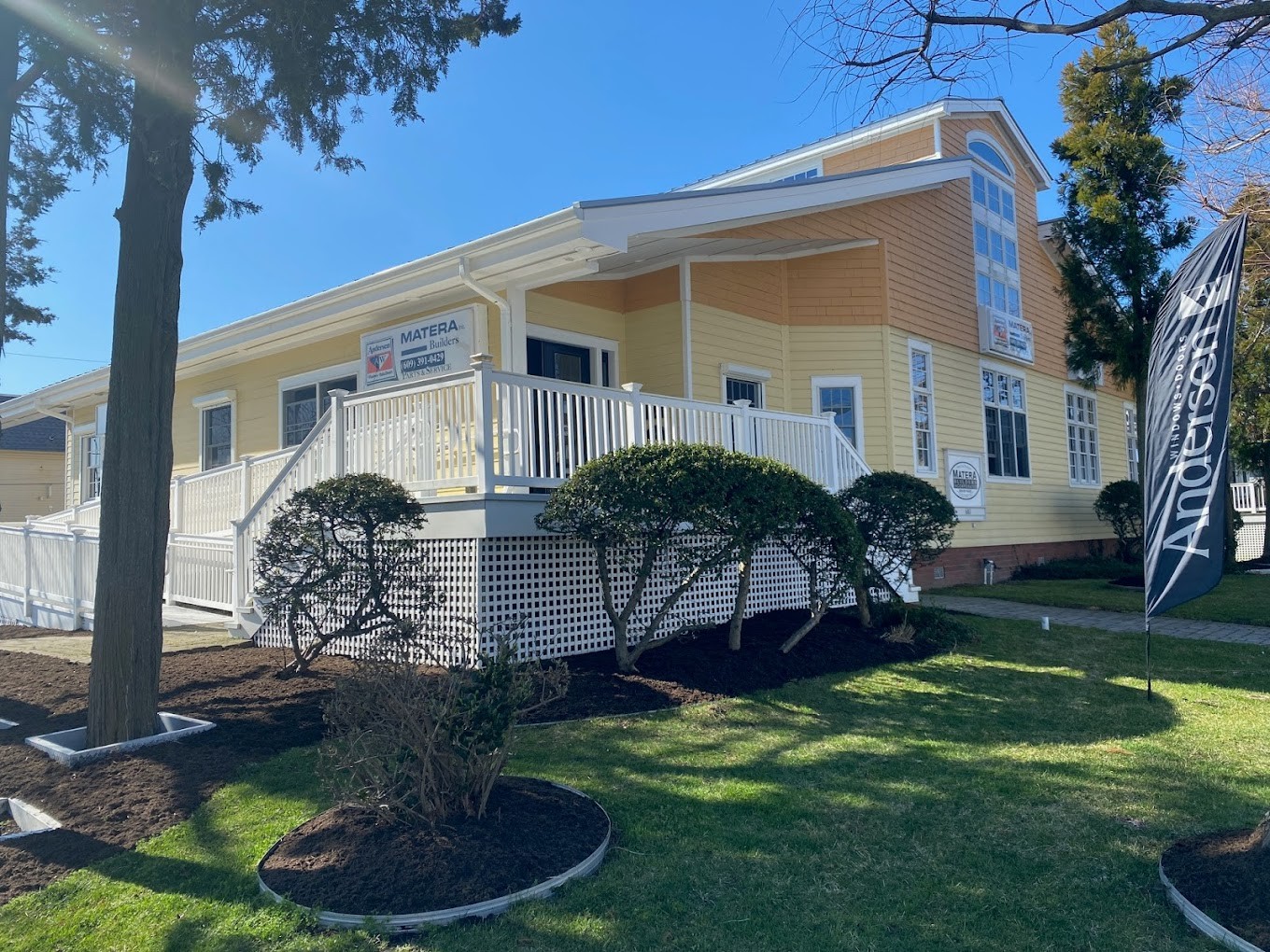
I'm Mike Werner, CEO of Matera Builders, an Andersen Elite Certified Contractor serving Ocean City, Avalon, Stone Harbor, and Sea Isle City since 1988. My team handles double hung window installs daily, and I've seen how a precise installation transforms both the comfort and the long-term durability of a home. Let's walk through exactly how it's done.
Double hung window install terms at a glance:
Understanding the Double Hung Window Replacement Process
When we talk about a Double hung window install, we are looking at a design where both the top and bottom sashes move. This is a huge advantage for homeowners in the Jersey Shore area. On a humid summer day, you can lower the top sash to let hot air escape while raising the bottom sash to pull in a cool breeze.
However, before we pick up a hammer, we have to decide which installation path is right for your home. There are two primary ways to approach this:
Pocket Replacement (Retrofit)
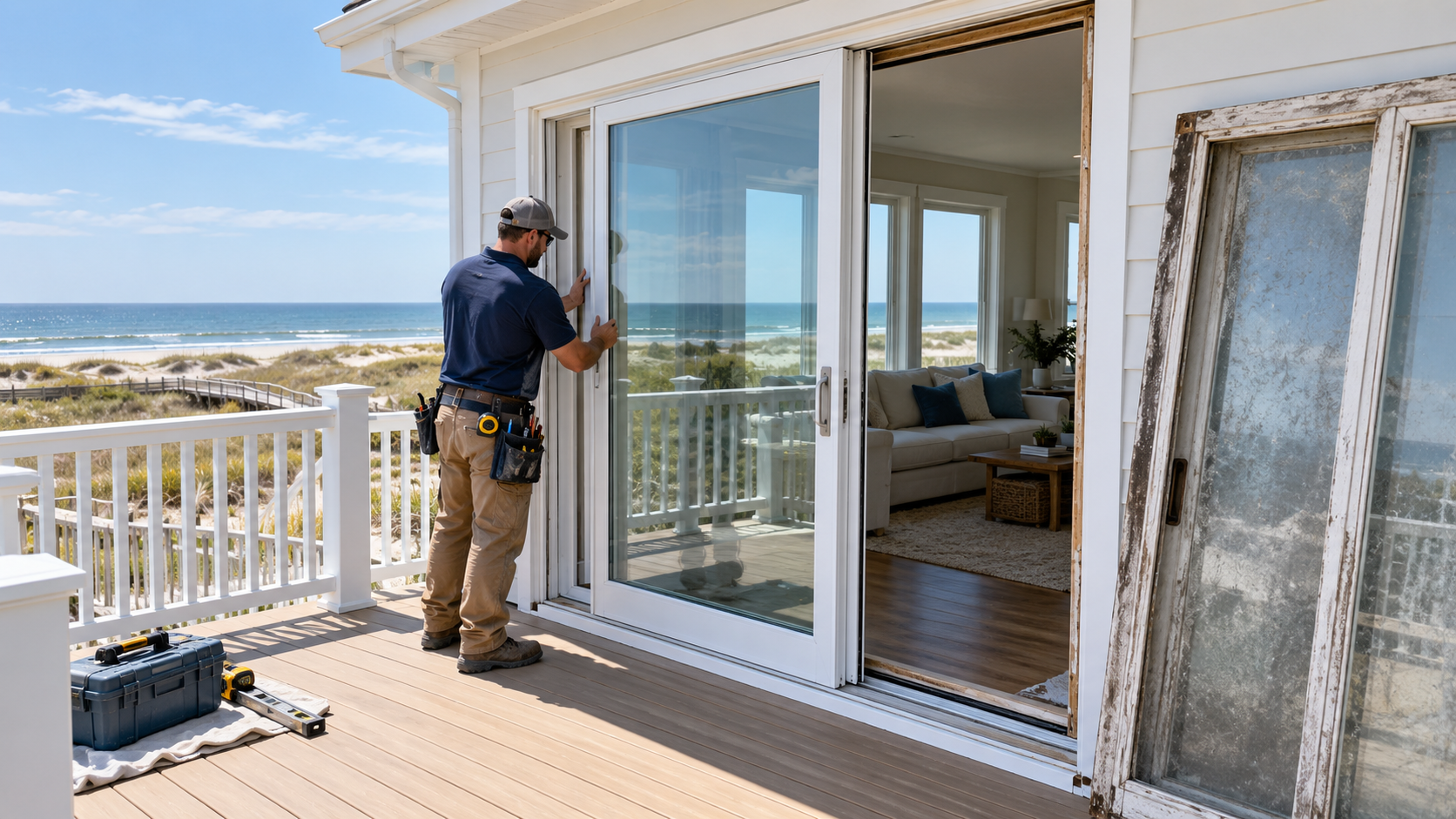
This is often called a "insert" or "pocket" install. We leave the existing window frame and exterior trim (casing) intact. We only remove the old sashes and the hardware. The new double hung unit is then "slipped" into the existing pocket. This is a great choice if your existing window frames are structurally sound and rot-free. It saves time and preserves your original siding and interior woodwork.
Full Frame Replacement
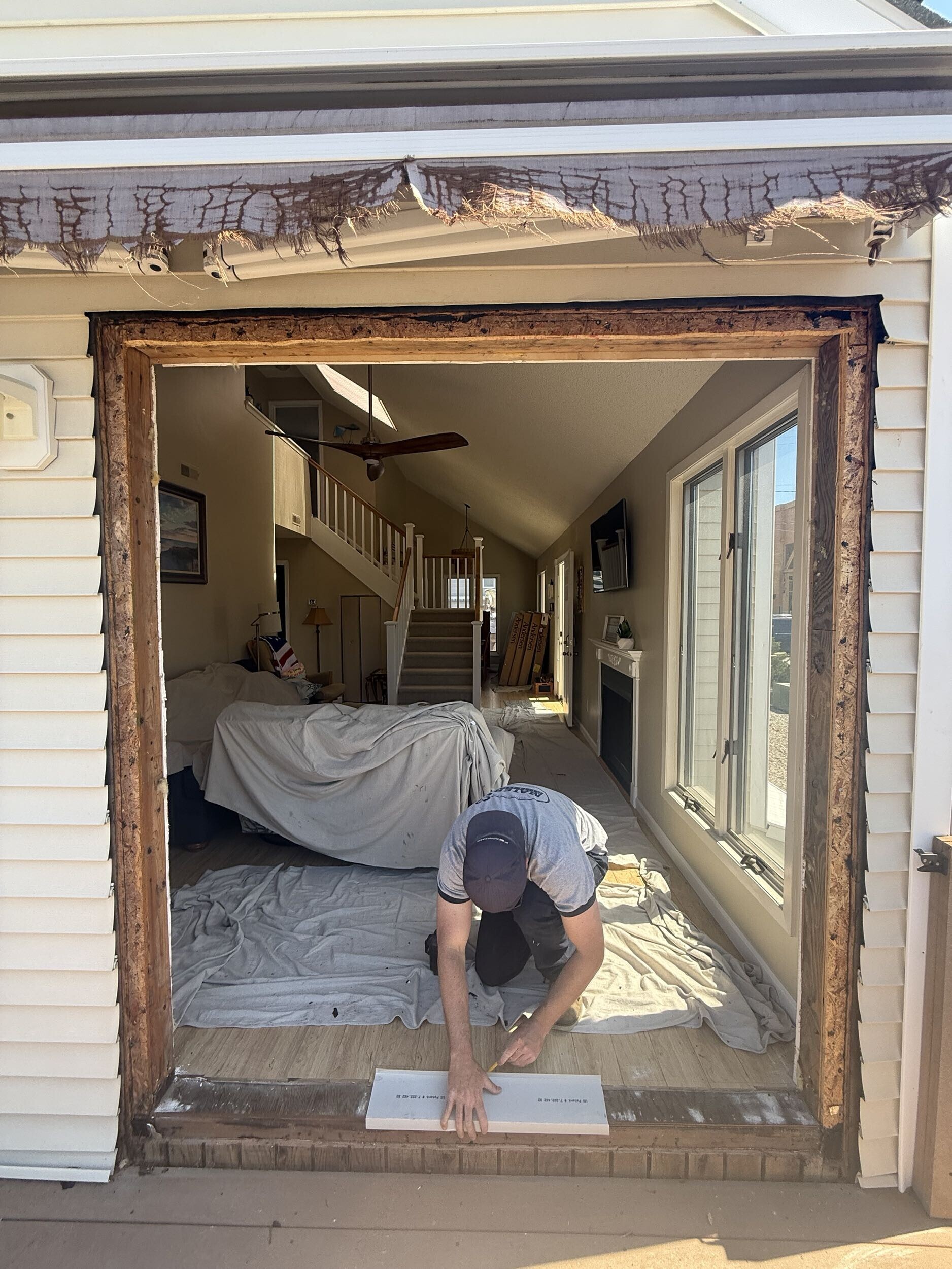
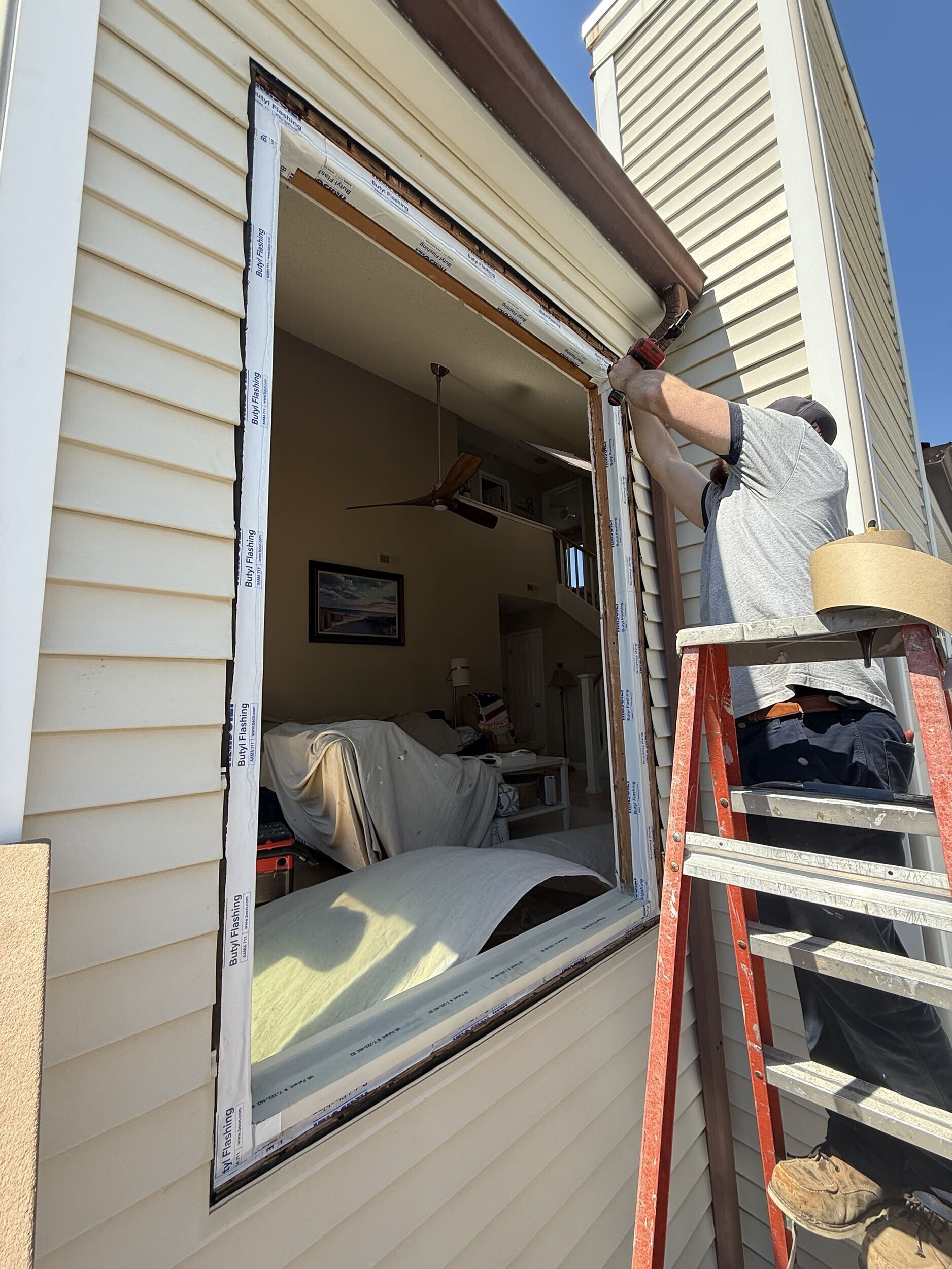
If we find rot in the sills or if you want to change the size or shape of the window, a full frame replacement is necessary. We strip everything down to the rough opening—the studs of the house. This allows us to inspect the flashing and ensure the building envelope is completely sealed against the salt air and driving rain we see in New Jersey.
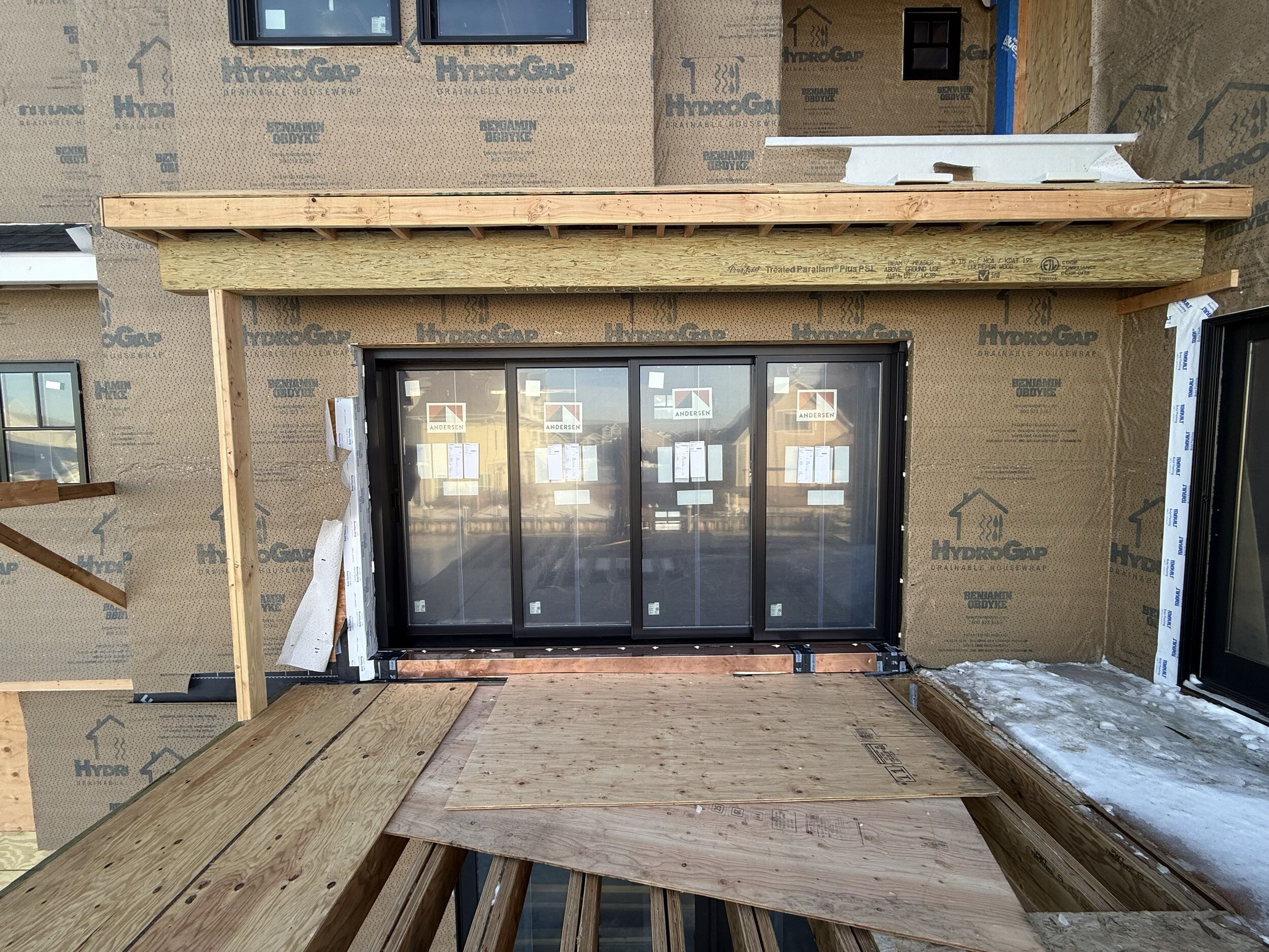
At Matera Builders, we don’t believe in a one-size-fits-all answer. We assess the health of your home's structure to ensure your investment in premium products like Andersen Windows provides the ROI you expect. Using materials like Andersen's Fibrex is especially smart for our coastal climate because it resists the expansion and contraction that causes vinyl windows to leak over time.
More info about Andersen Windows and Doors
Measuring and Preparing the Opening
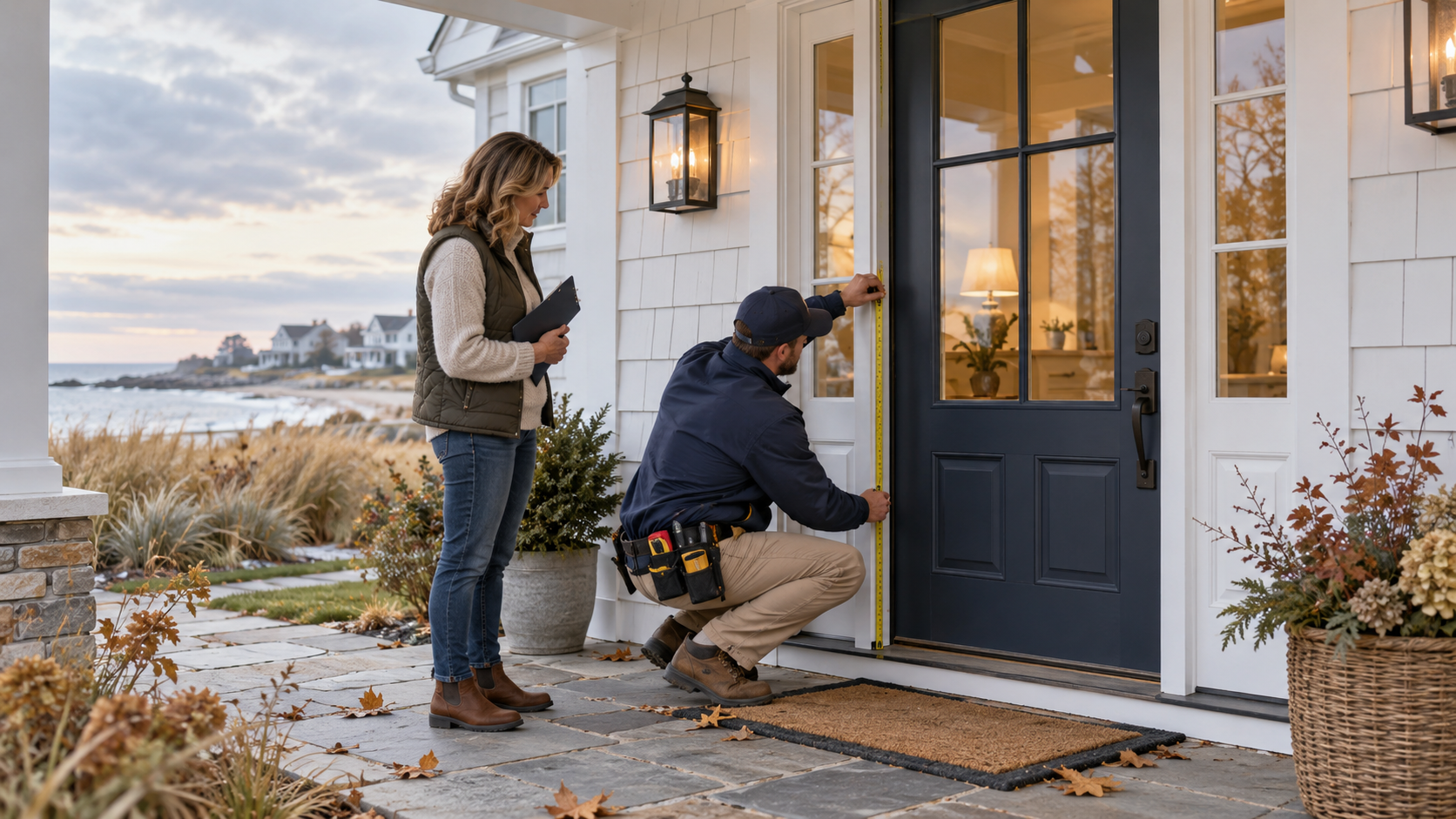
The most common reason a Double hung window install fails isn't a bad product—it's a bad measurement. If the window is too big, it won't fit without damaging the frame. If it's too small, you'll have massive gaps that even the best spray foam can't fix.
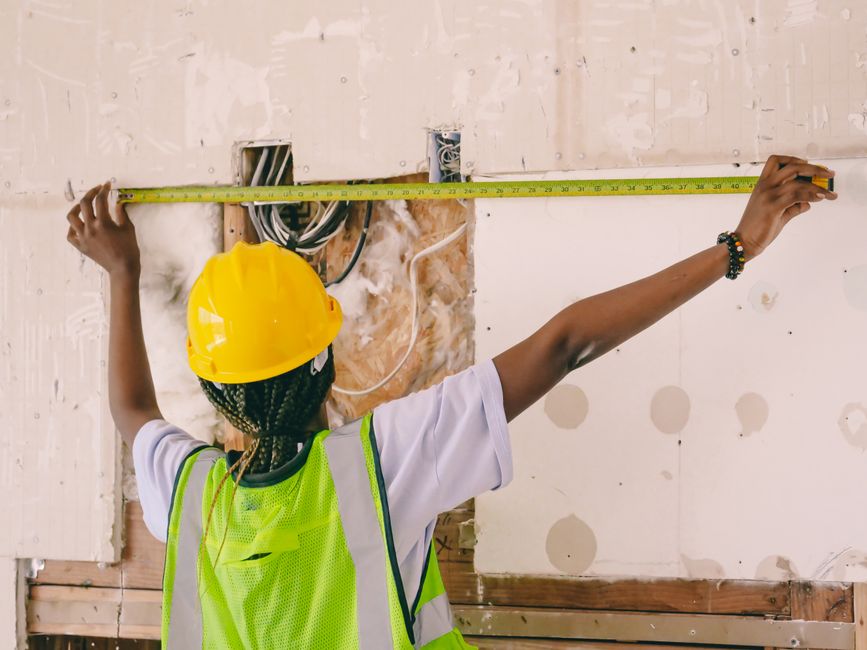
The 1/4 Inch Rule
When ordering a replacement window, we typically order the unit 1/4 inch smaller than the smallest width and height measurements of the opening. This "wiggle room" is essential. It allows us to shim the window so it sits perfectly level and plumb, even if your house has settled and the opening is slightly skewed.
Checking for Squareness, Level, and Plumb
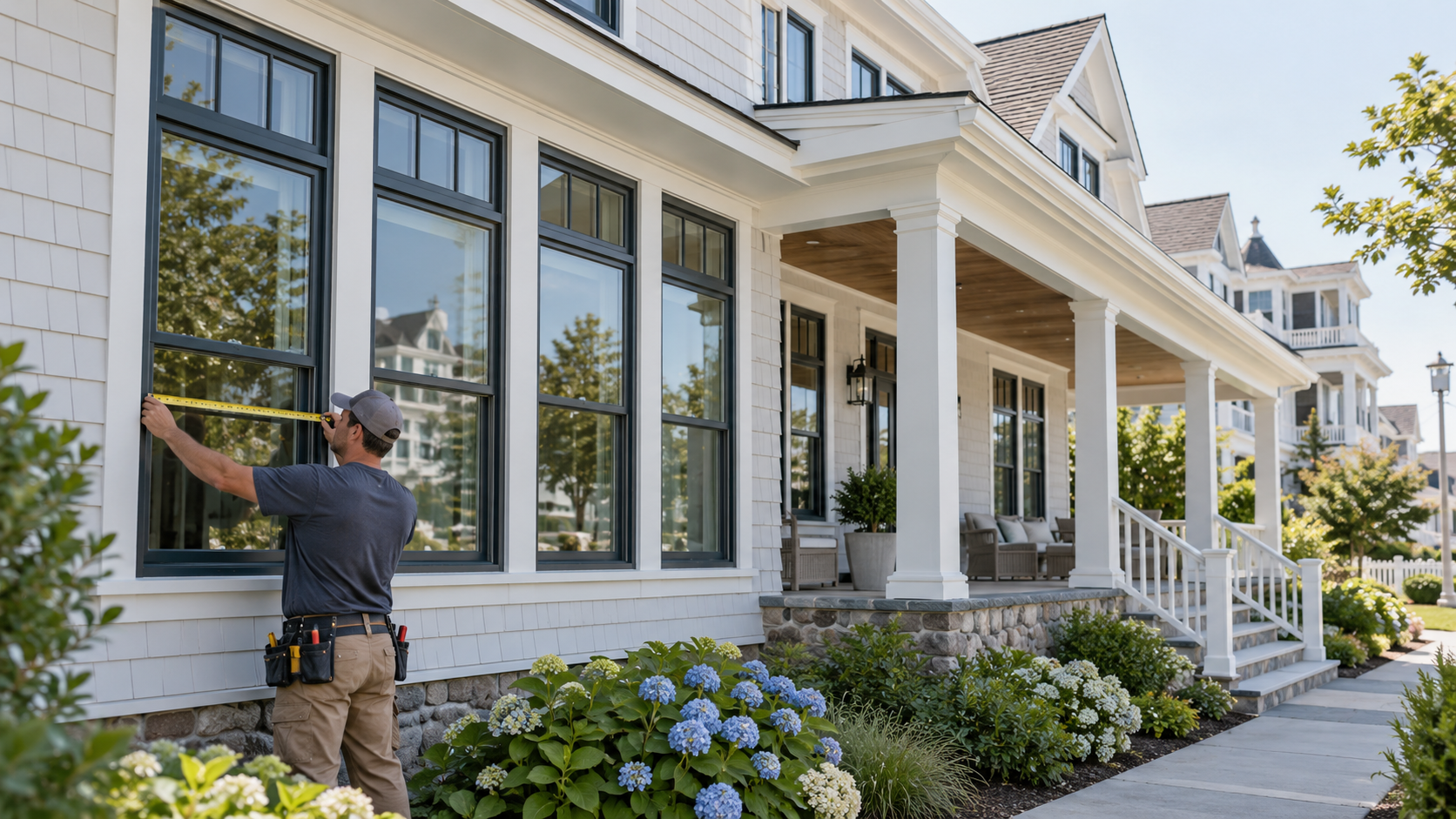
A window opening is rarely a perfect rectangle. We measure the width at the top, middle, and bottom, and the height at the left, center, and right. We also measure the diagonals. If the diagonals aren't equal, the opening is "out of square."
We also pay close attention to:
- Interior Stops: These are the small strips of wood that keep the sashes in place. We measure behind these to get the true pocket size.
- Stool Thickness: In older NJ homes, the interior "stool" (the shelf-like part of the sill) is often about 1 1/8 inches thick. We have to account for this so the new window sits flush.
- Sloped Sills: Most double hung windows sit on a sloped sill to shed water. We verify the angle of this slope to ensure the new window's "sill adapter" matches perfectly.
How to Install a Replacement Double Hung Window - Engineer Fix
Step-by-Step Guide to a Successful Double Hung Window Install
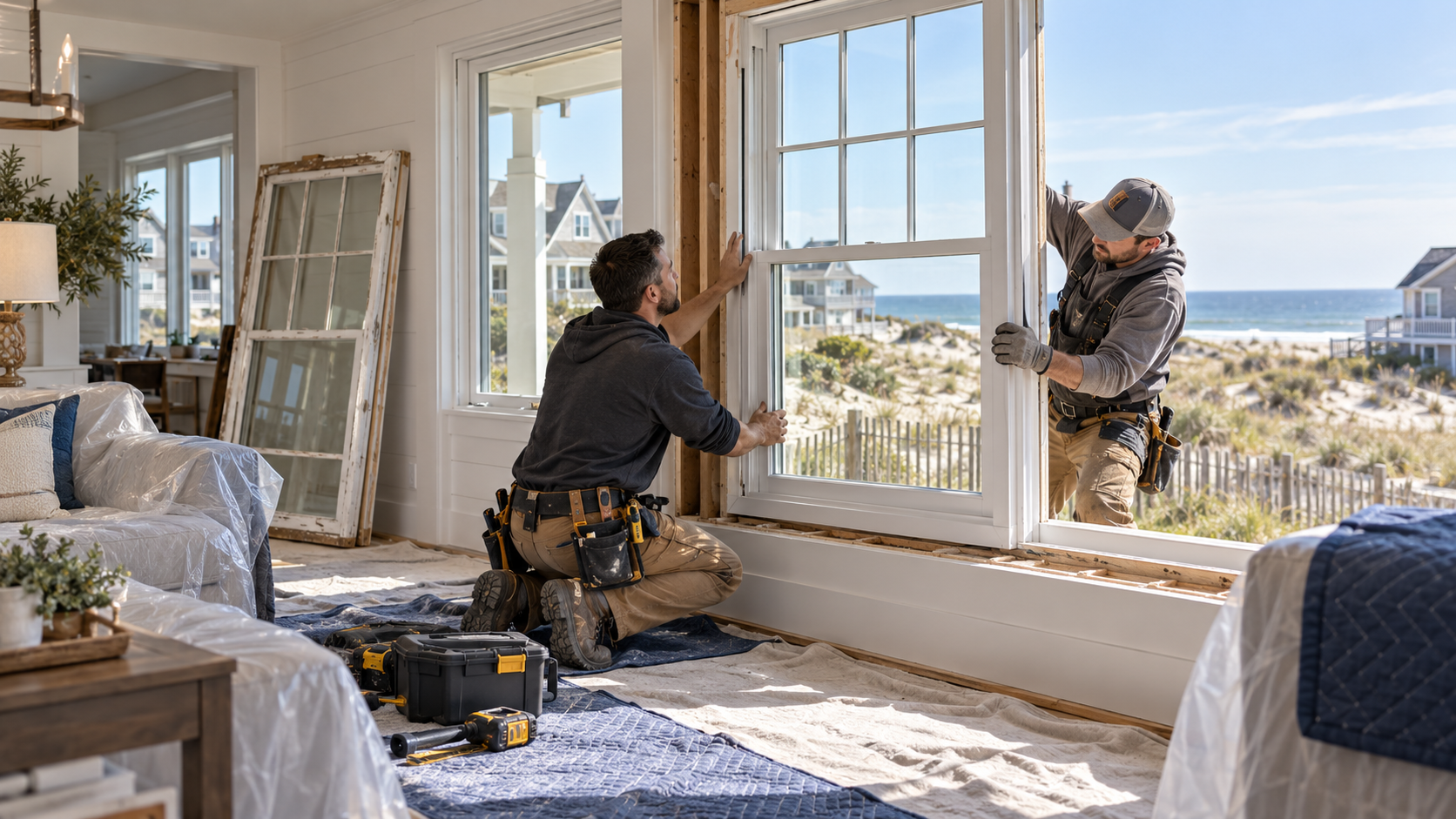
Once the new windows arrive, the real work begins. We treat every home like our own, using drop cloths and protective gear to keep the mess contained.
1. Removing the Old Sashes
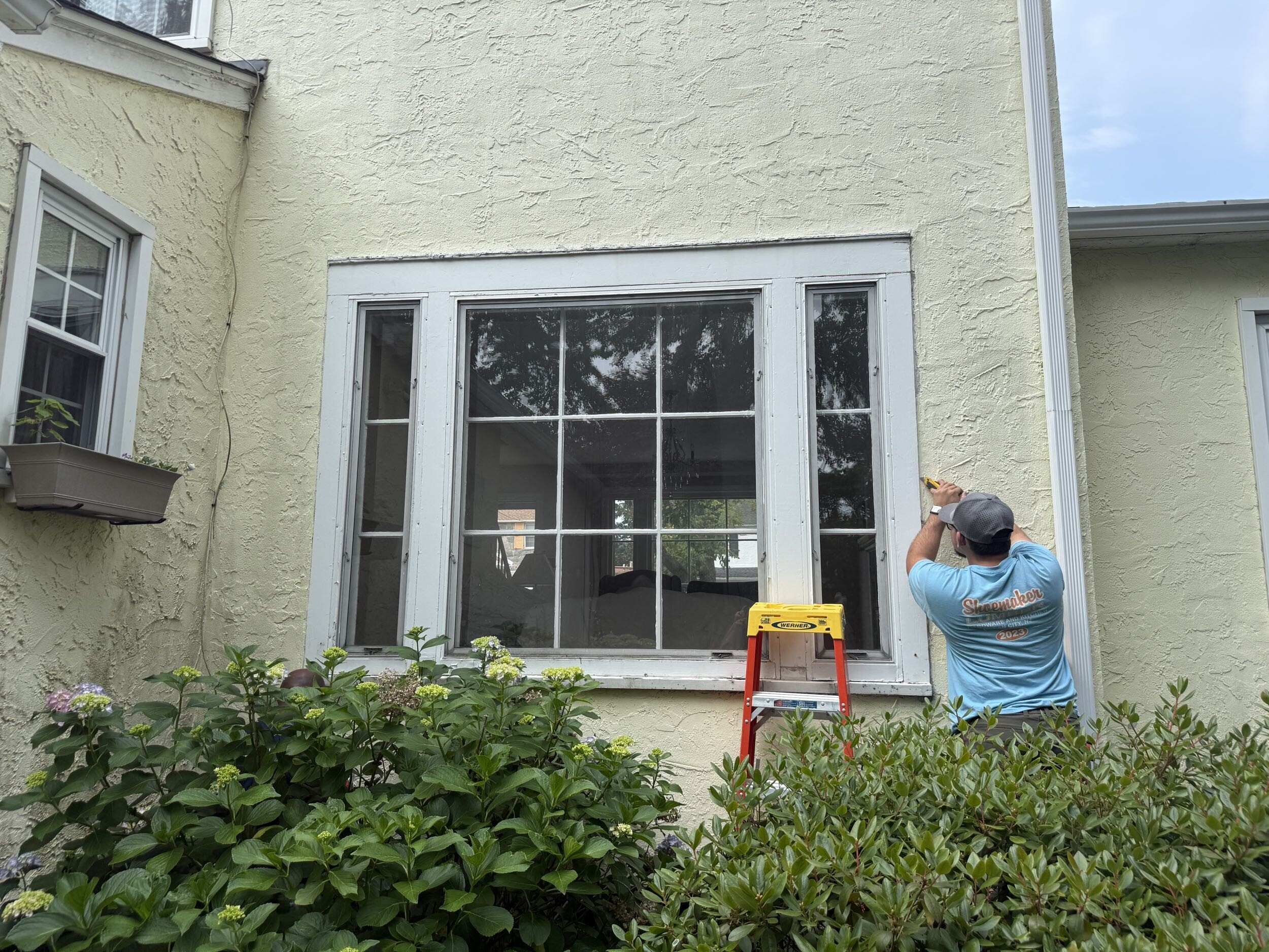
We start by using a utility knife to score the paint around the interior stops. This prevents the wood from splintering. We carefully pry off the stops and then remove the bottom sash. If it’s an old-school weighted window, we’ll cut the sash cords (carefully, so the weights don't crash inside the wall) or remove the balance springs. Next, we remove the parting strips—the thin tracks between the sashes—to free the top sash.
2. Cleaning and Preparing the Opening
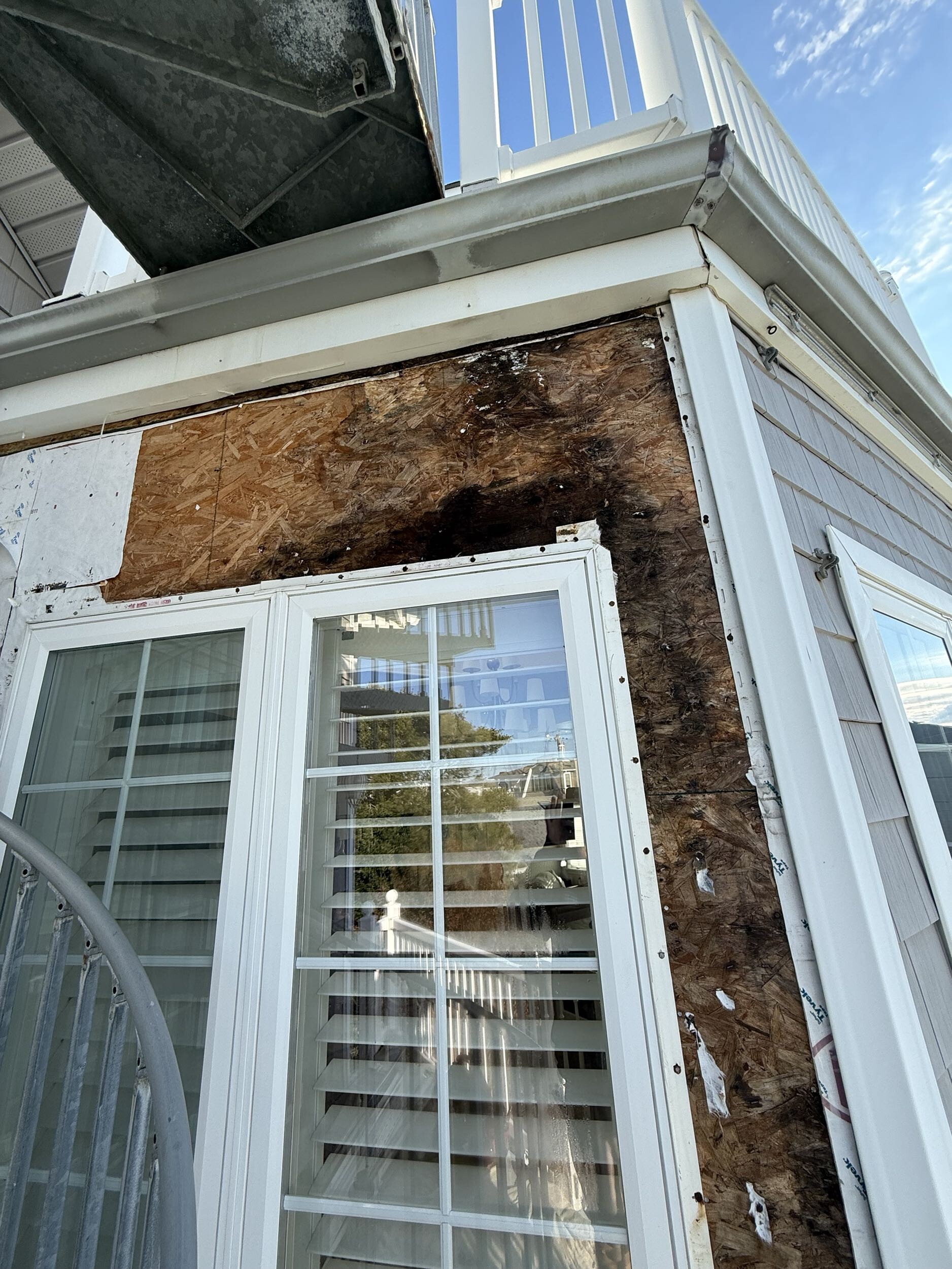
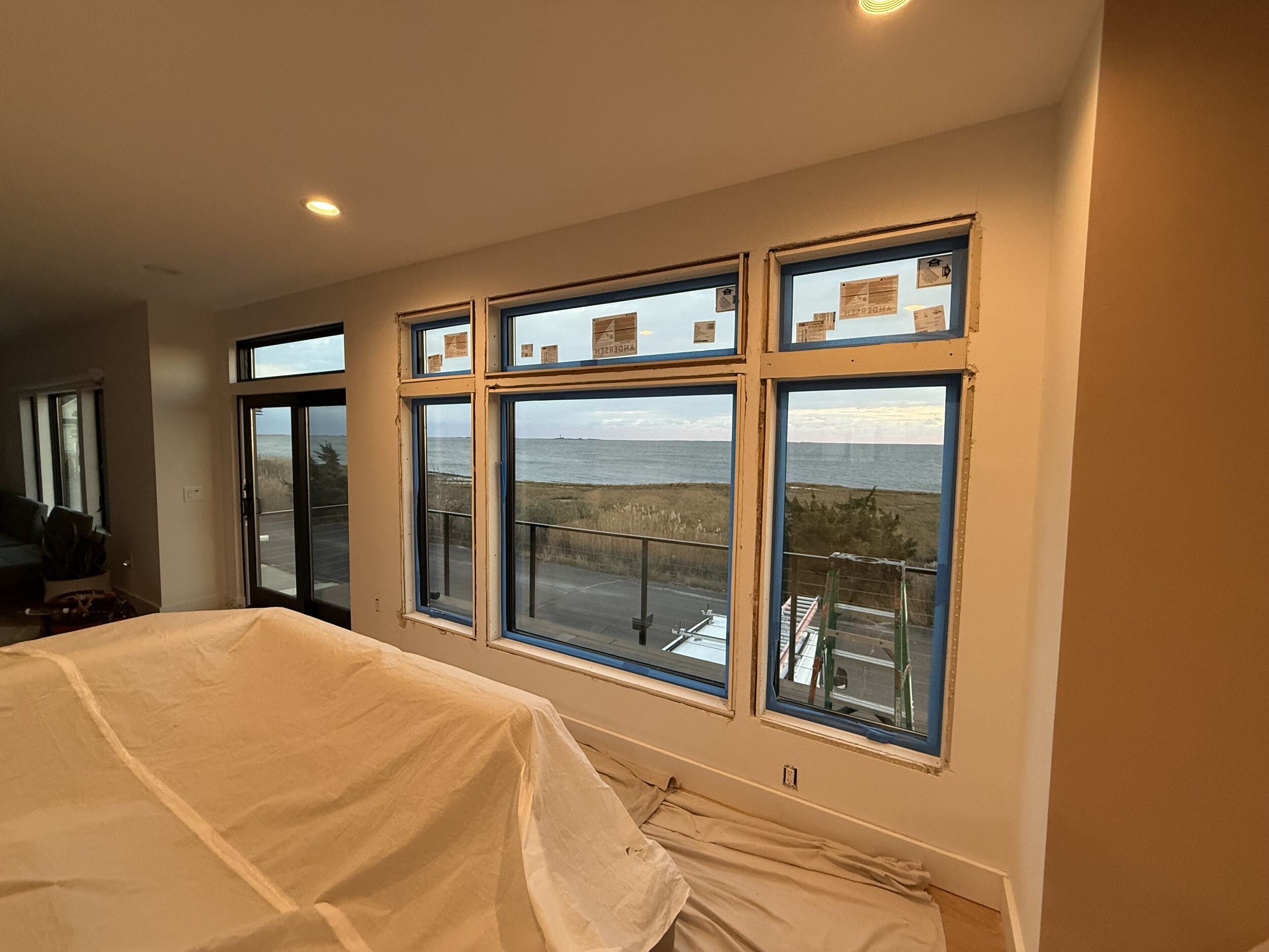
With the sashes gone, we have a clear view of the "pocket." We scrape away old caulking, remove any stray nails, and vacuum out decades of dust and debris. This is the "moment of truth" where we inspect for wood rot. If we find soft wood, we repair it now. Installing a new window over rot is like putting a band-aid on a broken leg.
3. Dry Fitting
Before applying any sealant, we lift the new window into the opening. This "dry fit" confirms our measurements were correct. We check to see if the window sits naturally level. If it doesn't, we identify where the shims will need to go.
4. Shimming Techniques
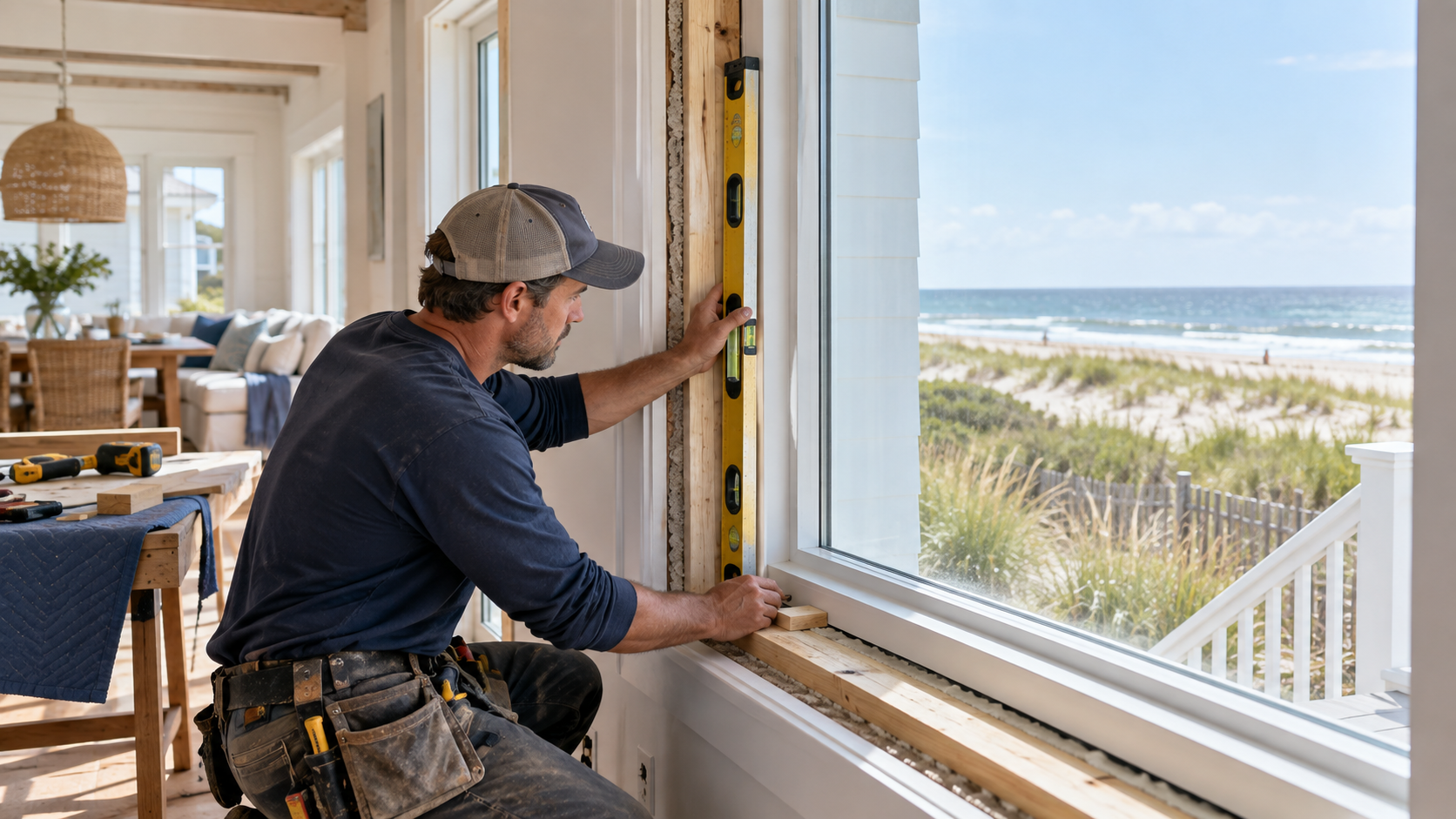
Shimming is an art form. We place cedar or composite shims behind the screw holes in the side jambs. The goal is to ensure the side jambs are perfectly vertical (plumb) and the sill is perfectly horizontal (level). We also check that the frame isn't "bowed" in or out.
Precision Adjustments During a Double Hung Window Install
Modern windows, especially premium Andersen units, come with features that allow for "micro-adjustments."
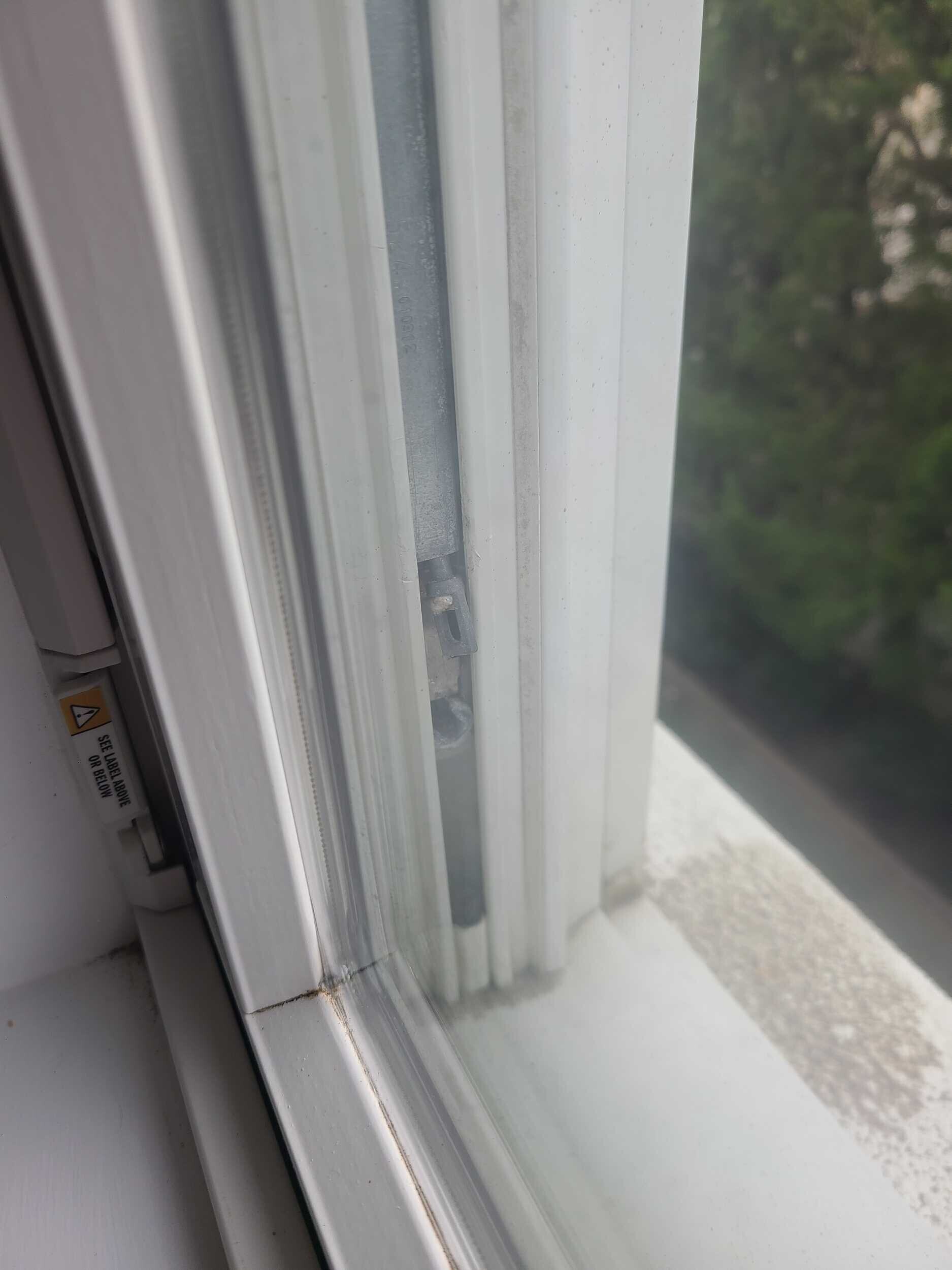
- Jamb Jacks: These are specialized screws located in the side jambs. By turning them, we can move the jambs slightly toward or away from the sash. This ensures the gap between the sash and the frame is perfectly even from top to bottom.
- Balance Shoes: The "shoes" are the parts that slide in the tracks and hold the sash. We ensure these are aligned within 1/8 inch of each other so the sash doesn't tilt or bind when you move it.
- Pivot Pins and Tilt Latches: We test the tilt-in function multiple times. If the pivot pins aren't seated correctly in the balance shoes, the window won't lock properly or slide smoothly.
Sealing and Insulating Your Double Hung Window Install
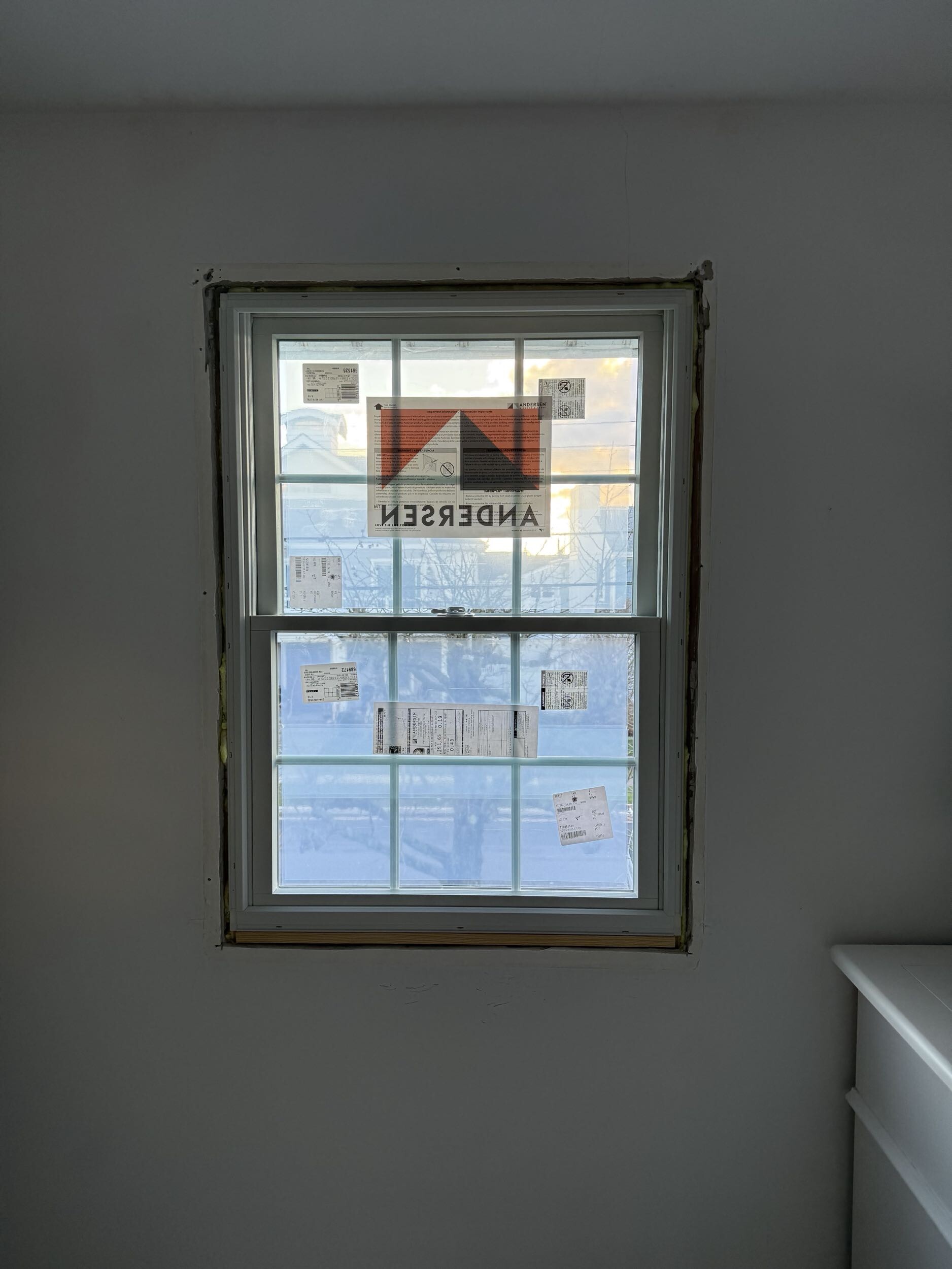
In New Jersey, the wind can be brutal. If you don't seal the window correctly, you'll hear the wind "whistling" through the frames all winter.
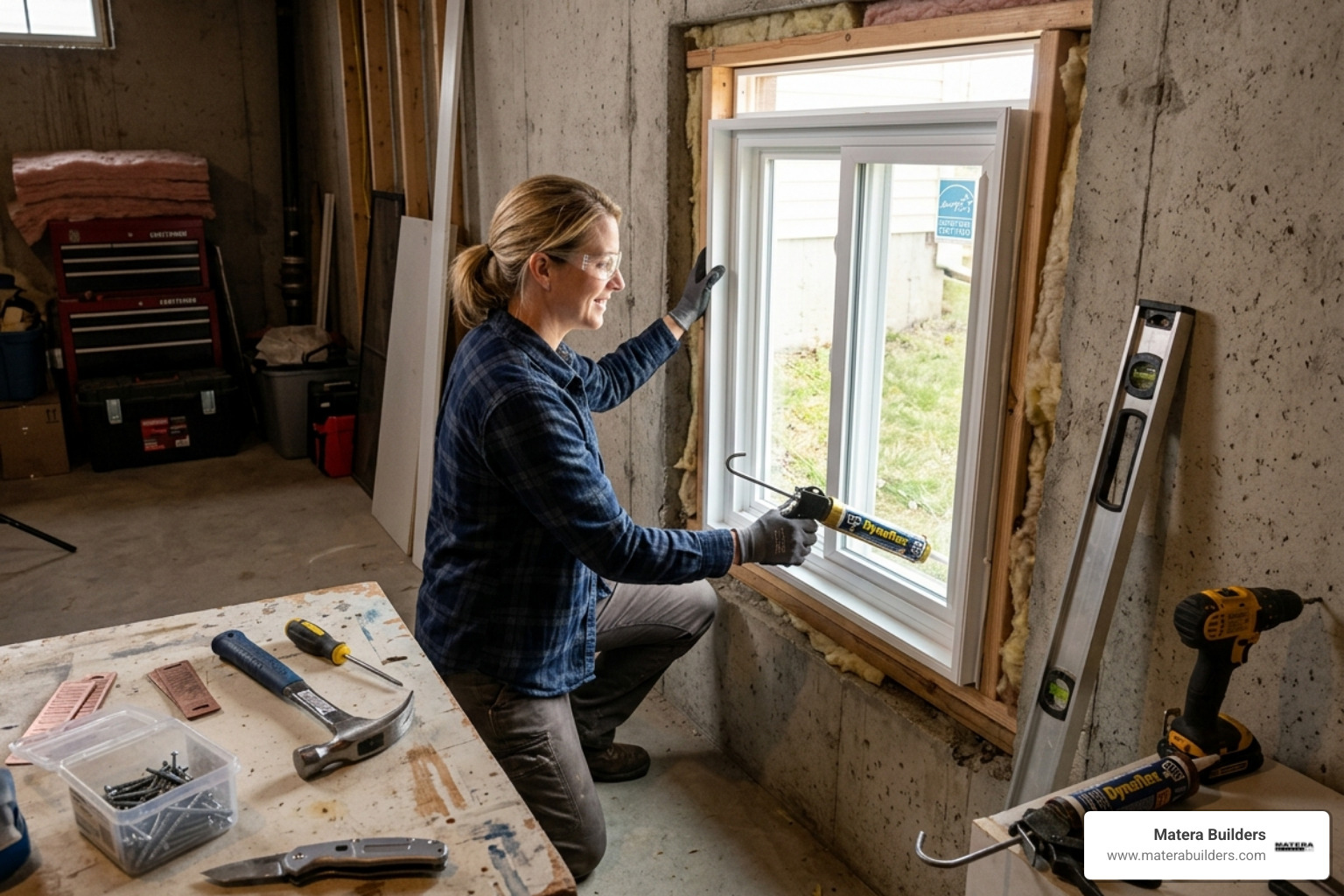
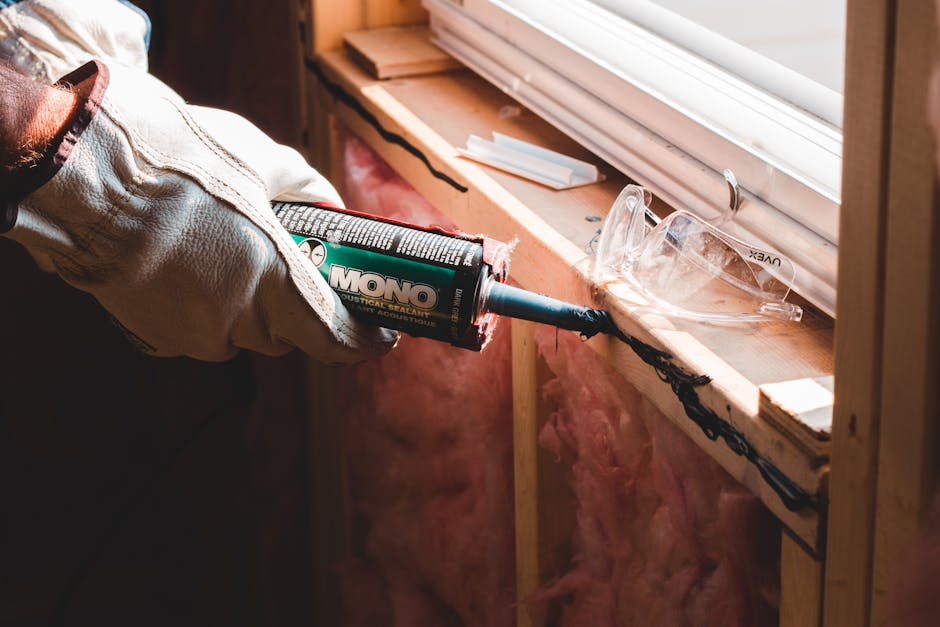
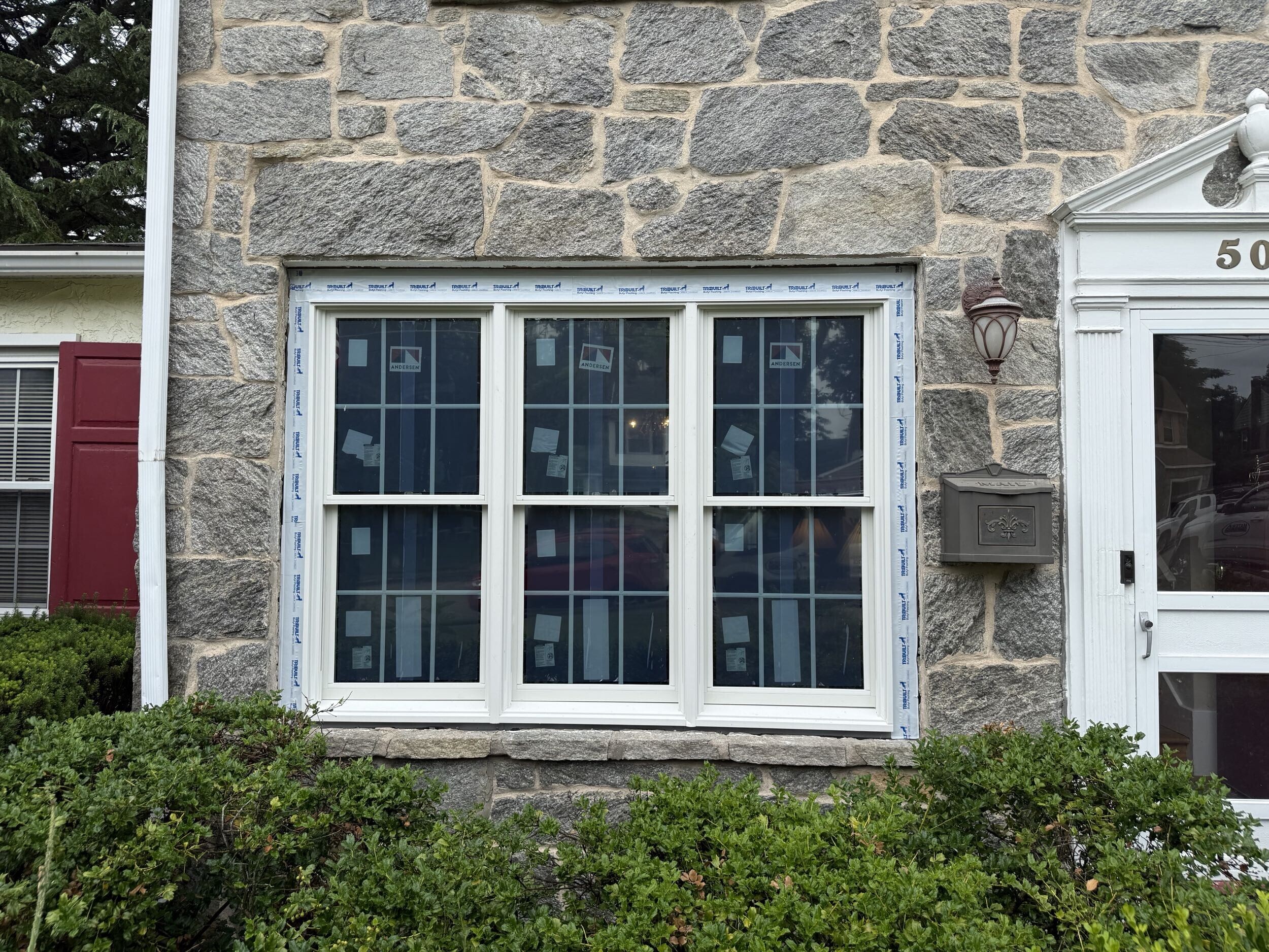
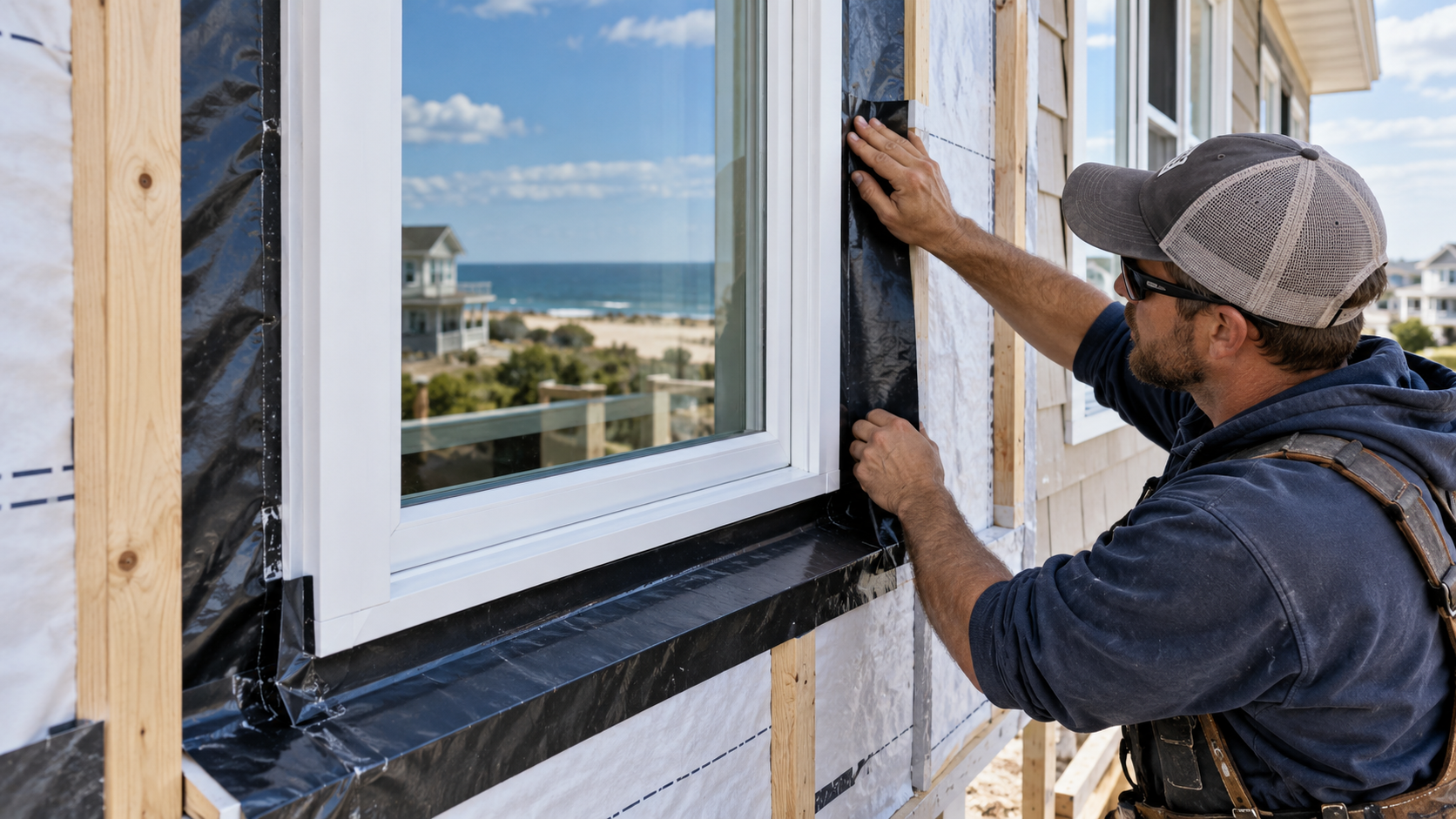
- Low-Expansion Foam: We fill the gap between the new window frame and the house framing with a professional-grade, low-expansion foam. We never use high-expansion foam here, as it can actually bow the window frame and jam the sashes.
- Exterior Grade Caulk: On the outside, we apply a continuous bead of high-quality polyurethane or butyl sealant. This creates a watertight barrier against salt spray and rain.
- Trim Replacement: Finally, we reinstall the interior stops and any exterior trim. We make sure everything is caulked and painted to match the home's aesthetic, providing a seamless look.
More info about Interior and Exterior Services
Frequently Asked Questions about Window Replacement
When is it time to replace my windows?
You don't always need a pro to tell you your windows are failing. Look for these "red flags":
- Visible Rot: If the wood feels soft or looks "spongy," moisture has won the battle.
- Water Stains: Stains on the drywall under the window suggest a leak in the flashing or the frame.
- Excessive Noise: If you can hear a conversation on the sidewalk like the person is in the room with you, your seals are gone.
- High Utility Bills: If your HVAC is running constantly but the house still feels drafty, your windows are likely the culprit.
- Difficulty Operating: If you have to "muscle" a window open or use a prop to keep it up, it's a safety hazard.
Can I install a window without removing siding?
Yes! This is exactly what the pocket installation method is for. By removing the interior stops and the old sashes, we can slide a new unit into the existing frame from the inside. This preserves your exterior siding and the original exterior trim, which is a huge cost-saver for homeowners with unique or expensive siding materials.
What are the most common DIY mistakes?
We often get calls to "fix" a DIY Double hung window install. The most common errors include:
- Over-tightening Screws: This bows the side jambs, making the sashes impossible to move.
- Skipping Insulation: Leaving the "pocket" empty creates a massive thermal bridge that lets cold air right into your walls.
- Incorrect Measurements: Ordering a window that is "exactly" the size of the opening, leaving no room for shimming or leveling.
- Ignoring Squareness: If the frame is "racked" (tilted), the locks won't line up, and the window won't be secure.
Conclusion
A Double hung window install is one of the best ways to improve your home's curb appeal, comfort, and value. But in a coastal environment like Ocean City or the Jersey Shore, you can't afford to cut corners. The salt air and high winds will find any weakness in a poor installation.
At Matera Builders, we've brought hands-on experience to every project since 1988. Mike Werner and our team of certified installers understand the science behind a perfect fit. We don't just "swap out" windows; we ensure your home is protected for the long haul. By combining our precision standards with the durability of Andersen Windows and Doors, we provide a solution that stands up to the elements and looks beautiful doing it.
Whether you are dealing with a single drafty window or looking to overhaul your entire home's exterior, we are here to help. We believe in transparency, trust, and craftsmanship that lasts a lifetime.





.jpg)
.jpg)